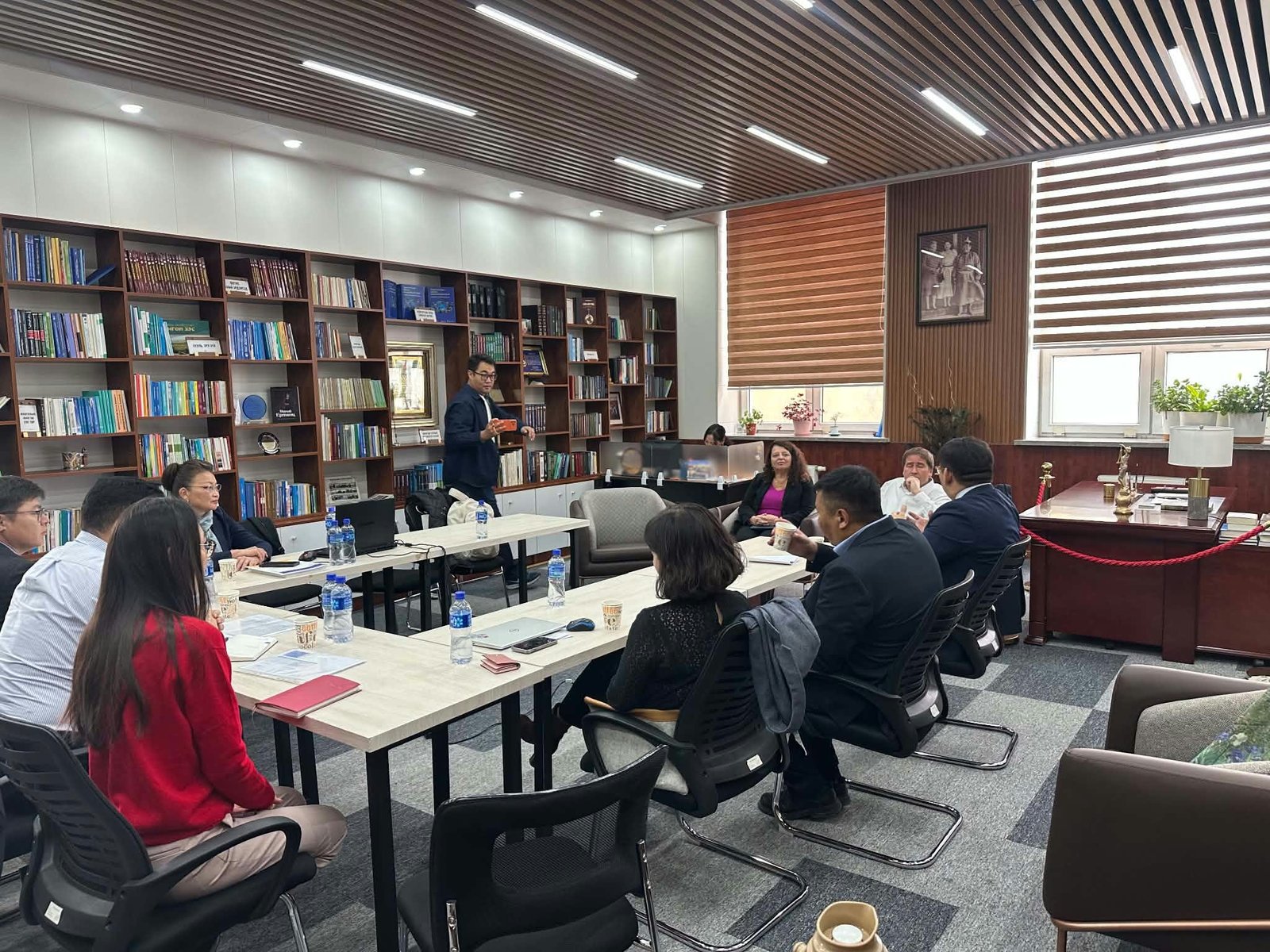
At the heart of these exchanges was the NUTRIHubs4NCDs initiative. Designed to establish specialized nutrition research hubs and modernize university curricula to combat non-communicable diseases, the project featured prominently during strategic sessions hosted at the Ministry of Education and the Mongolian University of Science and Technology.
Core Achievements from the Delegations
- Collaborative Operational Review: Direct consultations with European Union project officers provided essential guidance for financial compliance, dissemination outreach, and post-grant sustainability.
- National Health Alignment: Officials at the Ministry of Education highlighted strong alignment between project outcomes and national priorities in public health, preventative nutrition, and institutional research.
- On-Site Infrastructure Verification: Official visits to newly equipped nutrition research facilities and digital learning spaces verified the successful delivery and operational deployment of funded equipment.
- Inter-Project Synergies: Joint workshops fostered active collaboration among active regional projects, establishing knowledge-sharing channels across digital transformation, health analytics, and sustainable practices.
REGIONAL CLUSTER MEETING AT THE MINISTRY OF EDUCATION
Opening Frameworks & Governance
Hosted at the Ministry of Education, the cluster meeting brought together coordinators, institutional leaders, and administrative delegates to examine systemic progress and share best practices across Central Asia. High-ranking ministry officials and European delegates delivered welcome addresses emphasizing international cooperation as a catalyst for educational and health sector reform.
Subsequent sessions provided comprehensive guidance on transparent project governance, financial reporting compliance, and support services available through the national focal point to streamline stakeholder engagement across partner institutions.
Interactive Workshops & Cross-Cutting Themes
Interactive afternoon workshops focused on overcoming practical implementation challenges, including international equipment procurement, administrative workflows, and inter-institutional communication. Representatives shared effective risk mitigation strategies and demonstrated how digital health tracking tools and open nutrition databases actively support digital transformation across partner universities.
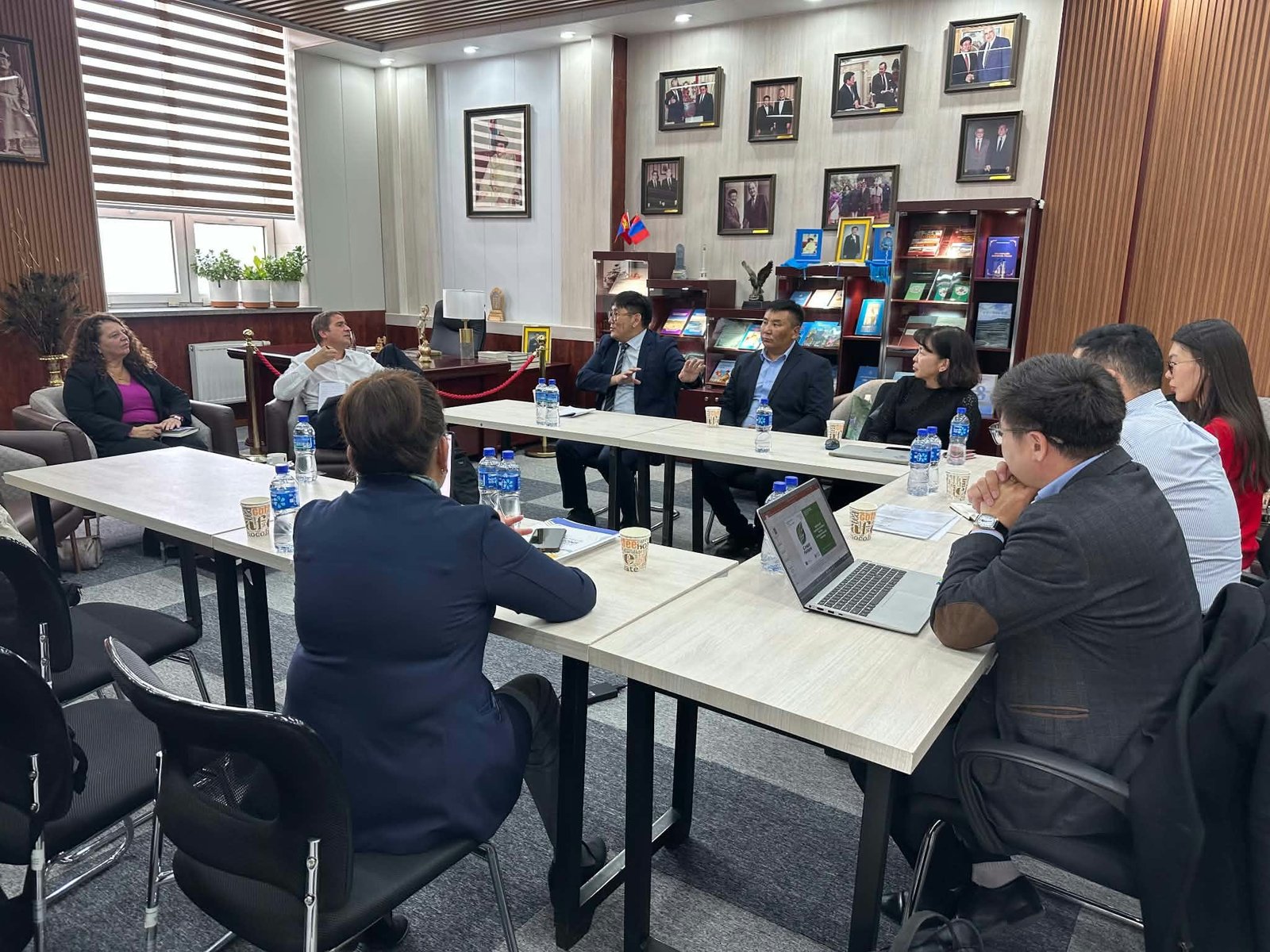
INSTITUTIONAL VISIT & DIALOGUES AT MUST
Strategic Leadership Summit
The institutional visit commenced with an executive dialogue involving university leadership, including the Rector, Vice-Rectors, and the Director of International Relations. Discussions centered on embedding project outcomes into long-term institutional internationalization goals, facilitating academic mobility, and expanding health research partnerships with European universities.
Administrative & Financial Compliance Review
Operational sessions brought together international relations officers and financial managers to review grant management protocols, accounting structures, and audit readiness. The discussions ensured that administrative workflows remain fully aligned with European Union regulatory standards.
In-Depth Project Monitoring & Facility Tour
Project teams presented detailed updates regarding curriculum development, laboratory setup, stakeholder dissemination, and regional outreach. Delegations conducted a physical walkthrough of specialized laboratory spaces and computing units, confirming that upgraded facilities are fully operational for students, researchers, and public health professionals.
PARALLEL ERASMUS+ INFORMATION SESSION
In parallel with institutional reviews, an open information session was hosted in the main cultural hall to promote European higher education cooperation to the broader academic community. EU delegates and local leaders presented opportunities spanning capacity building, international credit mobility, and joint master's programs, alongside national scholarship schemes supporting academic exchange.
NEXT STEPS FOR NUTRIHUBS4NCDS
Moving forward, the project team remains focused on finalizing university accreditation for new degree modules in nutritional epidemiology and non-communicable disease prevention. With laboratory equipment fully verified, research hubs will expand operations, host specialized training seminars for healthcare educators, and deepen public engagement regarding preventative nutrition and health promotion.