1. EXECUTIVE SUMMARY & STRATEGIC OVERVIEW
Milestones Reached in the Heart of Rome
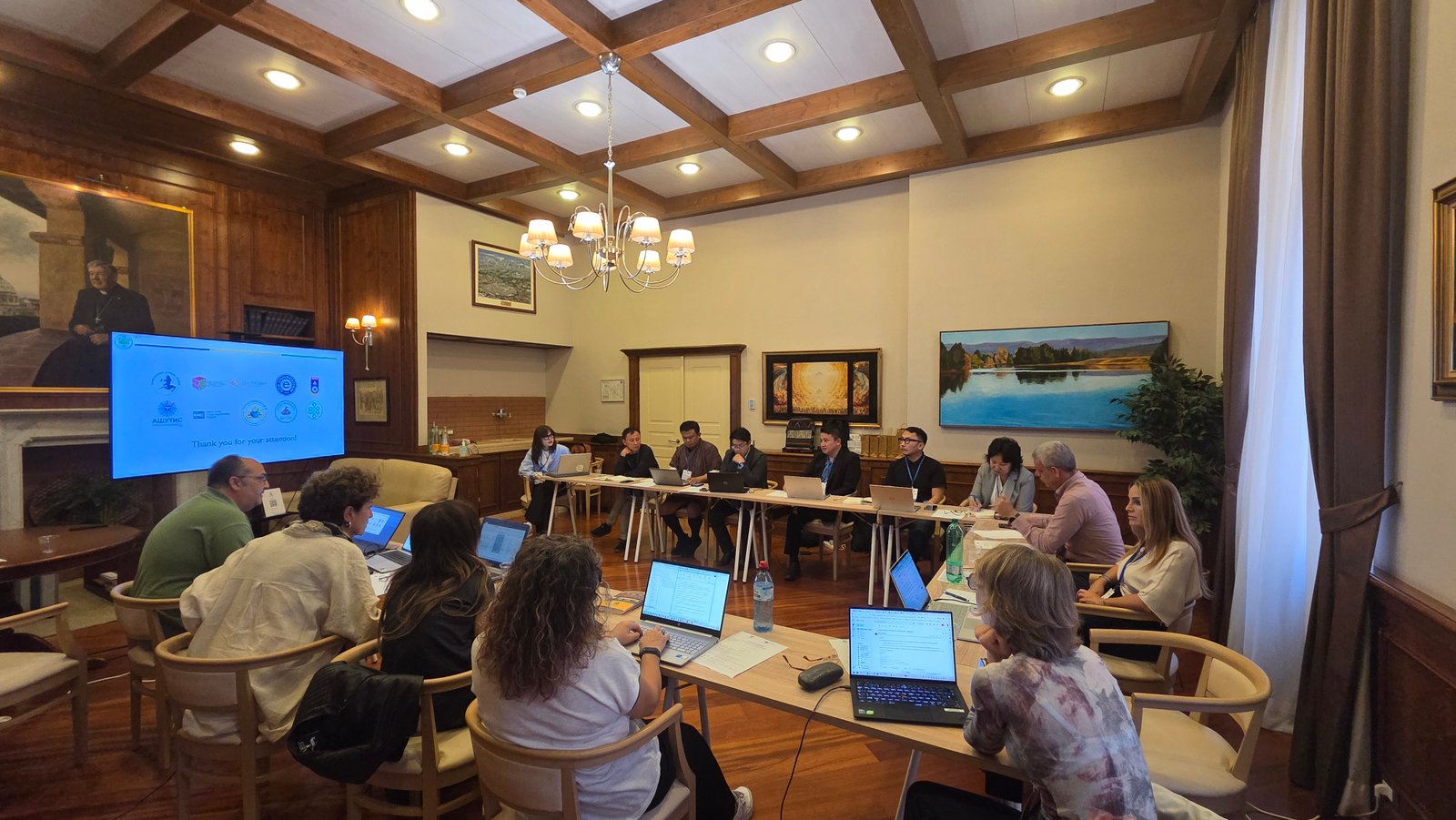
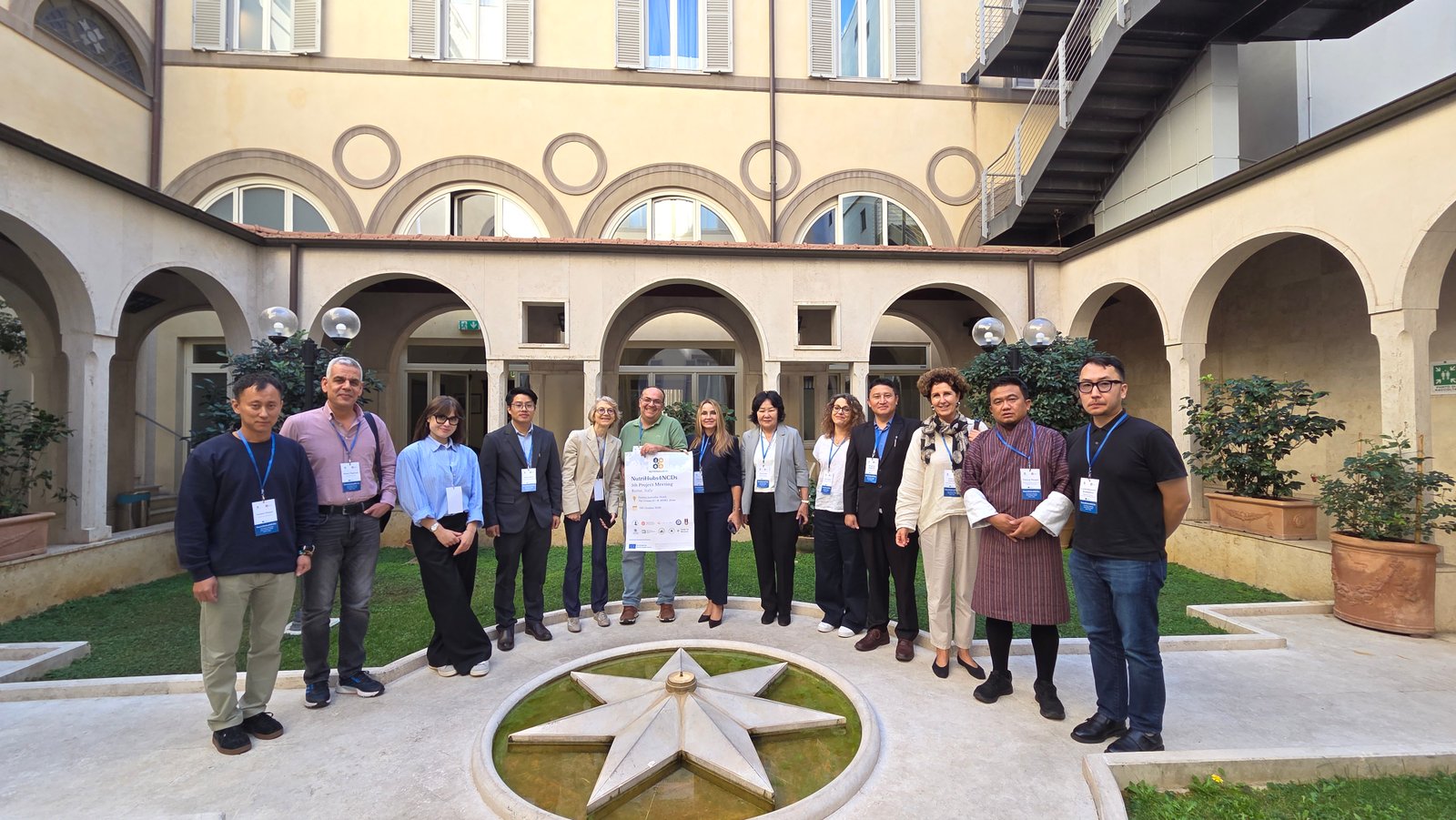
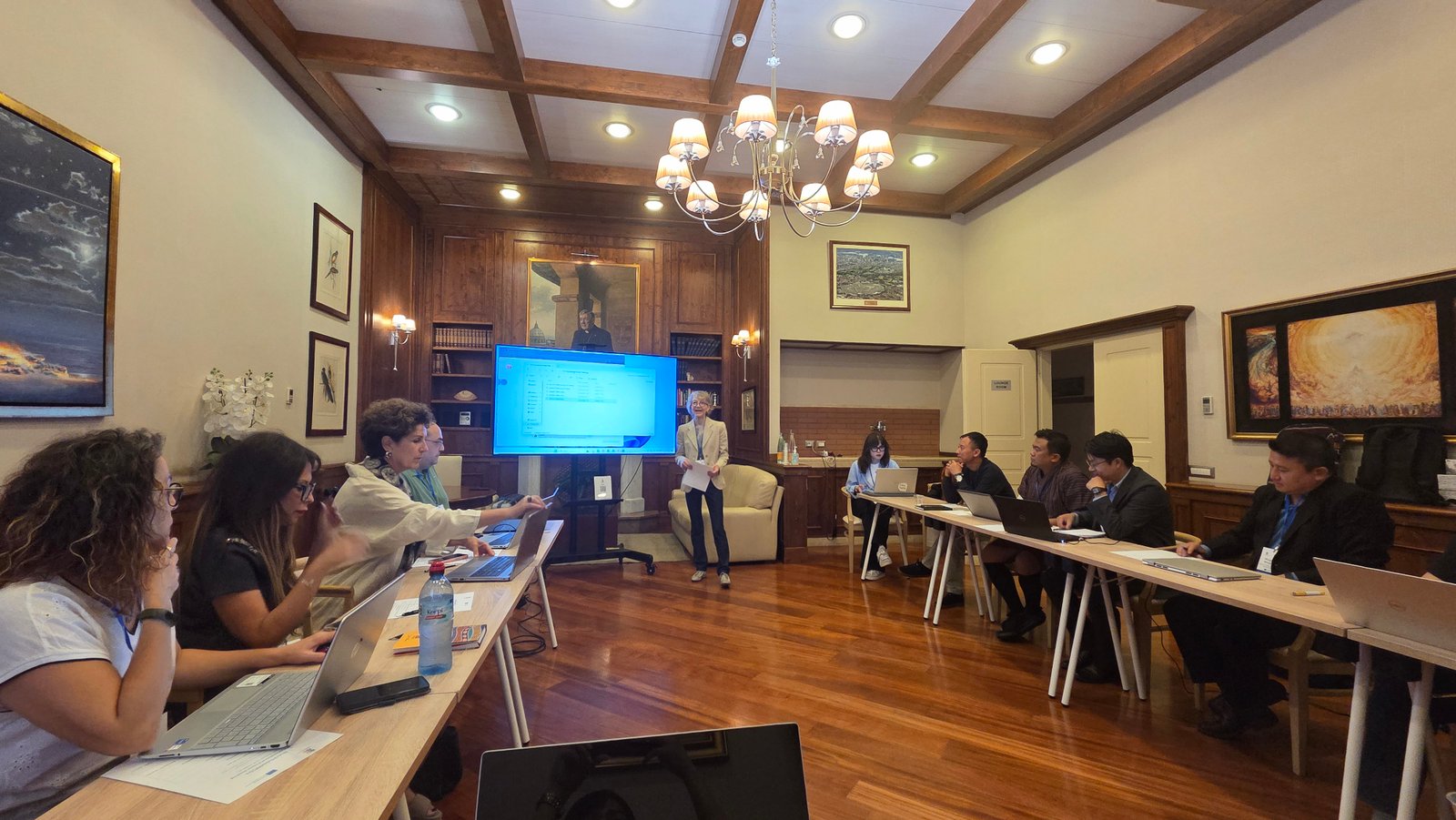
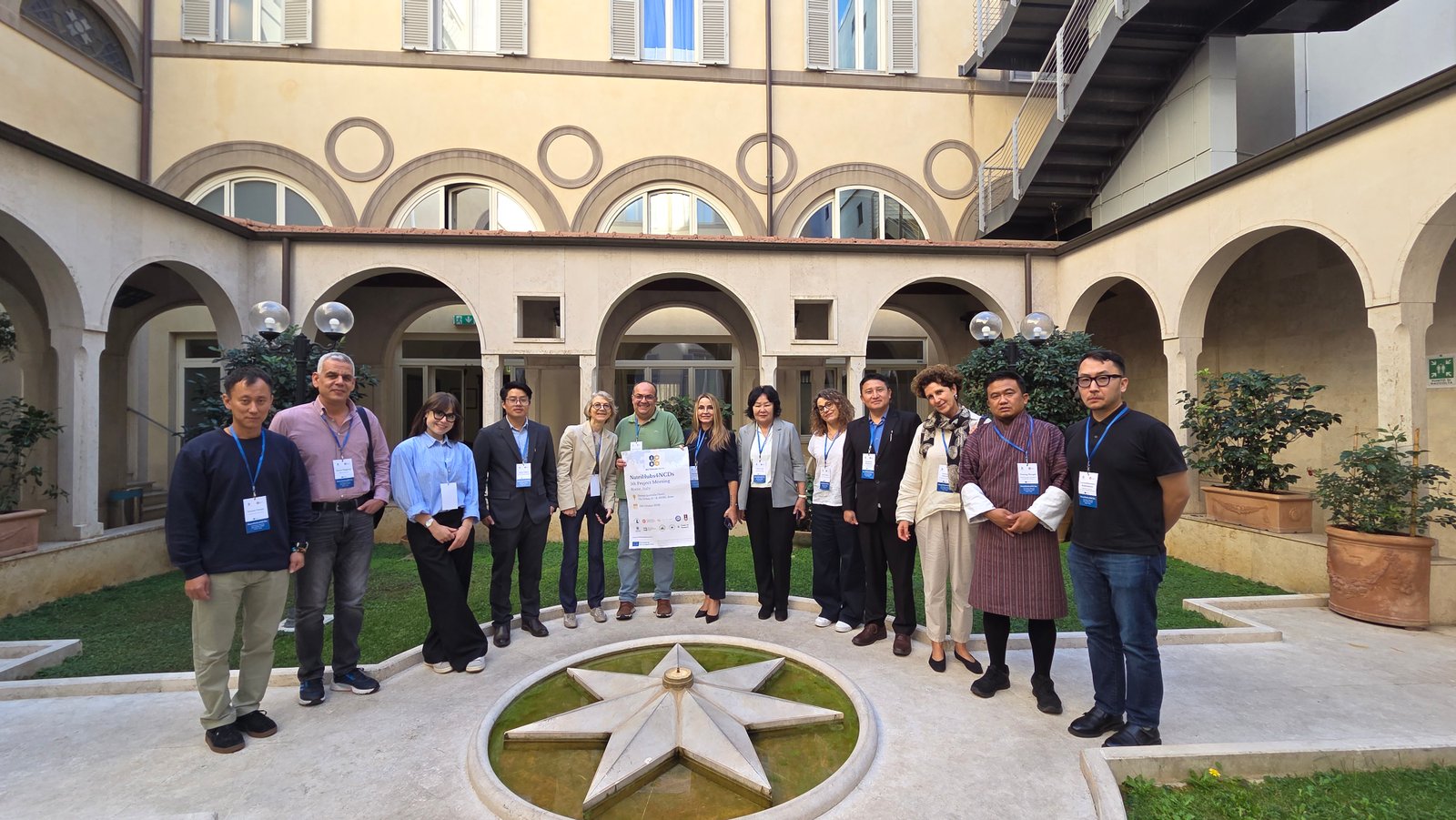
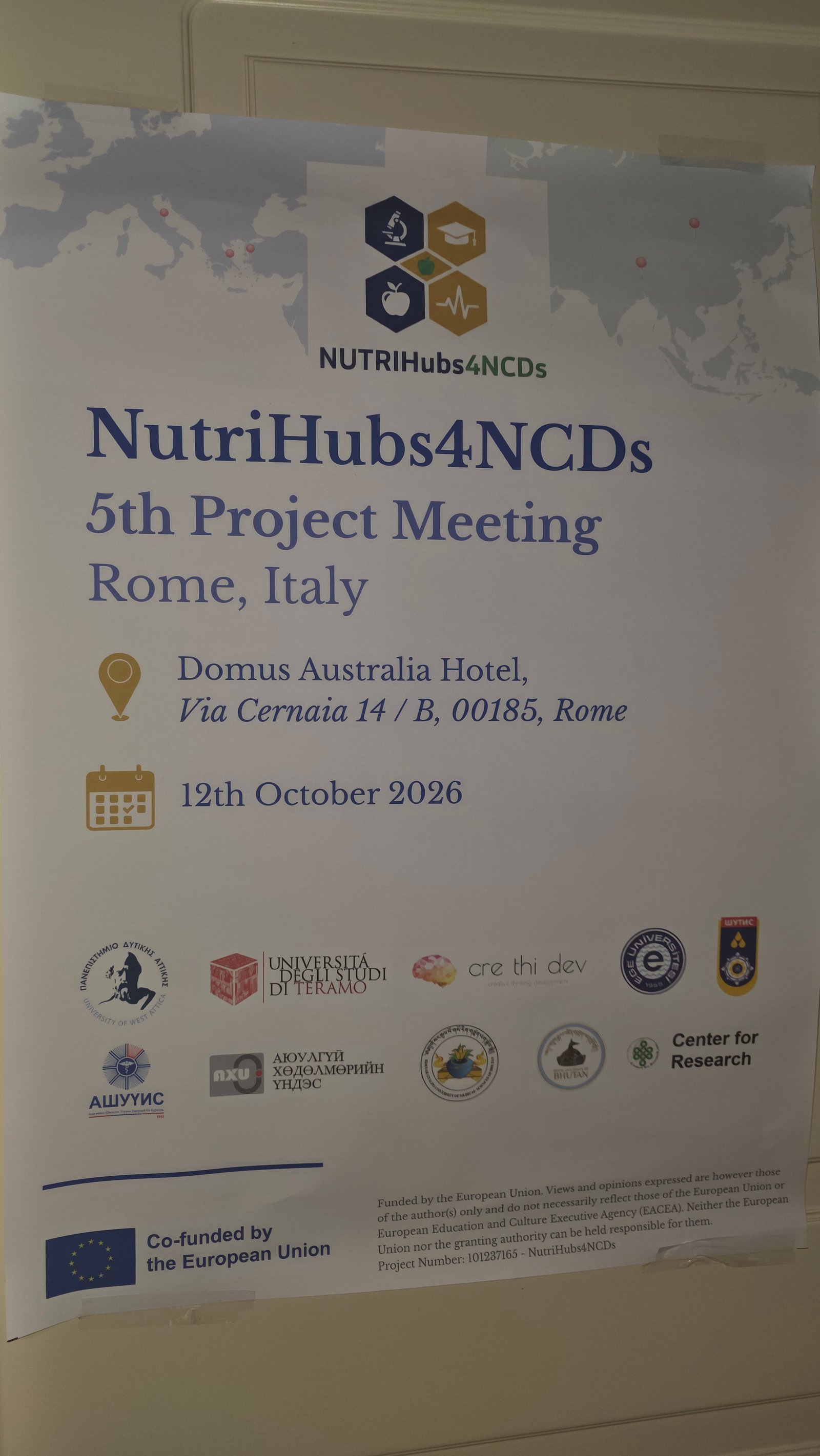
Delegates, institutional leaders, project coordinators, and scientific researchers from across Europe and Asia gathered at the Domus Australia Hotel in Rome, Italy, for the Transnational Project Meeting of the NutriHubs4NCDs initiative. Hosted in an environment conducive to international academic collaboration, this high-level assembly marked a critical midpoint in the project’s lifecycle.
The primary objective of the Transnational Project Meeting was to evaluate ongoing work package deliverables, review quality assurance benchmarks, finalize equipment procurement tenders for regional partner universities, and lay the operational groundwork for upcoming capacity-building activities in Europe.
As non-communicable diseases (NCDs) continue to pose significant public health challenges across Central and South Asia, the NutriHubs4NCDs consortium remains steadfast in its mission to build sustainable institutional hubs, modernize higher education curricula, and foster interdisciplinary research between European and Asian partner universities.
Key Outcomes of the Transnational Project Meeting
- Consortium-Wide Progress Review: The assembly conducted a thorough review of ongoing deliverables, pending administrative tasks, and work package milestones across all partner institutions.
- Equipment Tender Authorization: Consortium leads finalized equipment selection criteria and competitive tender launching mechanisms for Asian partner institutions.
- Capacity Building Trajectory: Institutional coordinators defined selection criteria, schedules, and curriculum content for upcoming faculty and staff training sessions hosted at European partner universities.
- Digital Architecture & Dissemination: Technical teams presented the structural design specifications for the project e-platform and finalized dissemination protocols across international tracking systems.
- Curriculum Macrostructure Development: Academic leads established unified structural frameworks for accredited undergraduate, postgraduate, and professional training modules in nutritional sciences.
- Green Implementation Commitments: Partner universities adopted comprehensive environmental protocols to integrate green practices across all project activities and hub operations.
- Long-Term Sustainability Roadmap: Project leaders established institutional frameworks to ensure that physical and digital Nutrition Hubs remain operational beyond the duration of the grant.
2. PROJECT PROGRESS & QUALITY ASSURANCE EVALUATION
Opening Remarks & Institutional Welcome
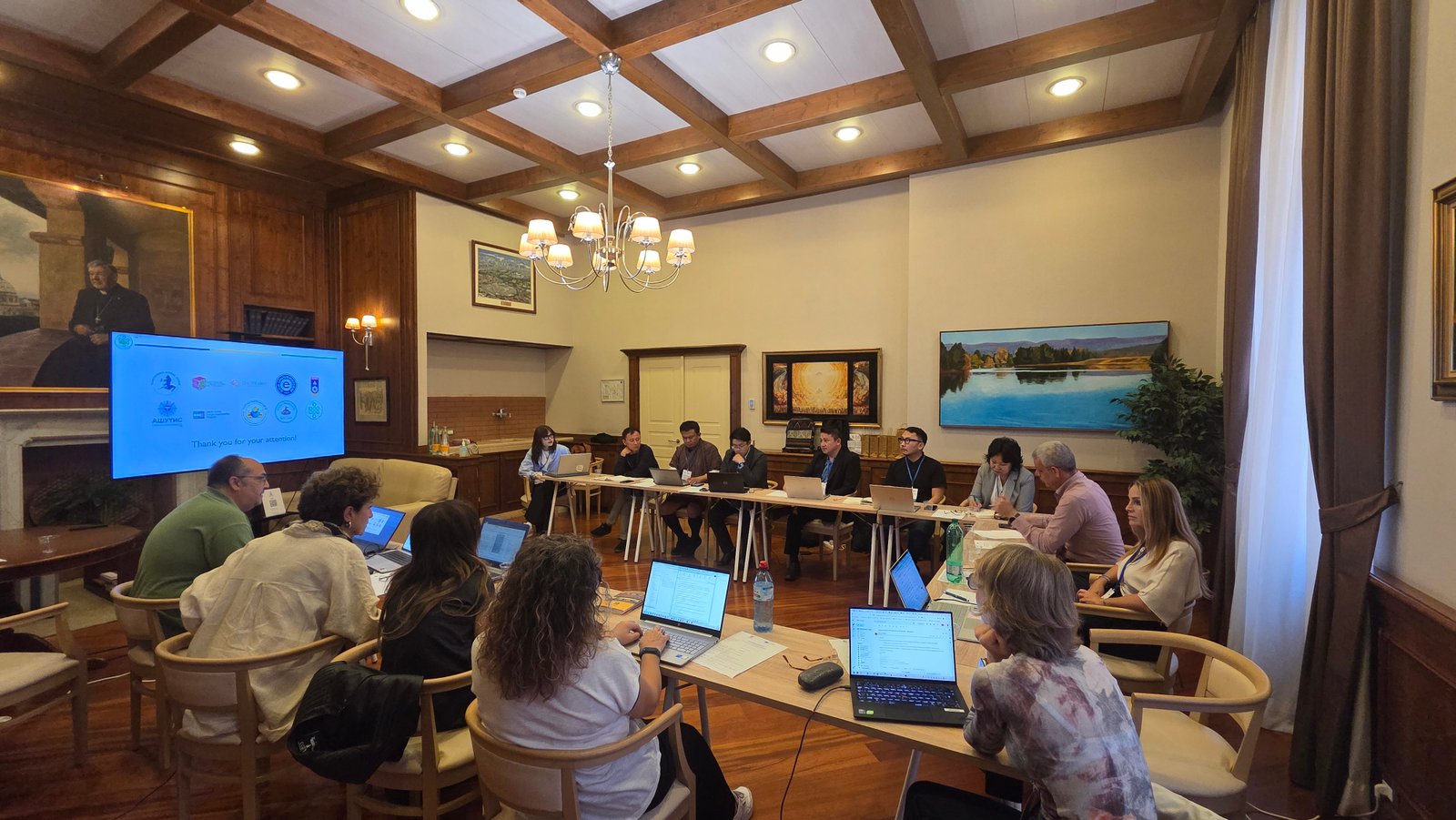
The meeting opened with welcome addresses delivered by representatives from the UNITE. Host coordinators welcomed delegates from across the European Union, Mongolia, Bhutan, and partner countries, emphasizing the vital role of international cooperation in addressing global public health disparities through higher education reform.
Comprehensive Progress Review
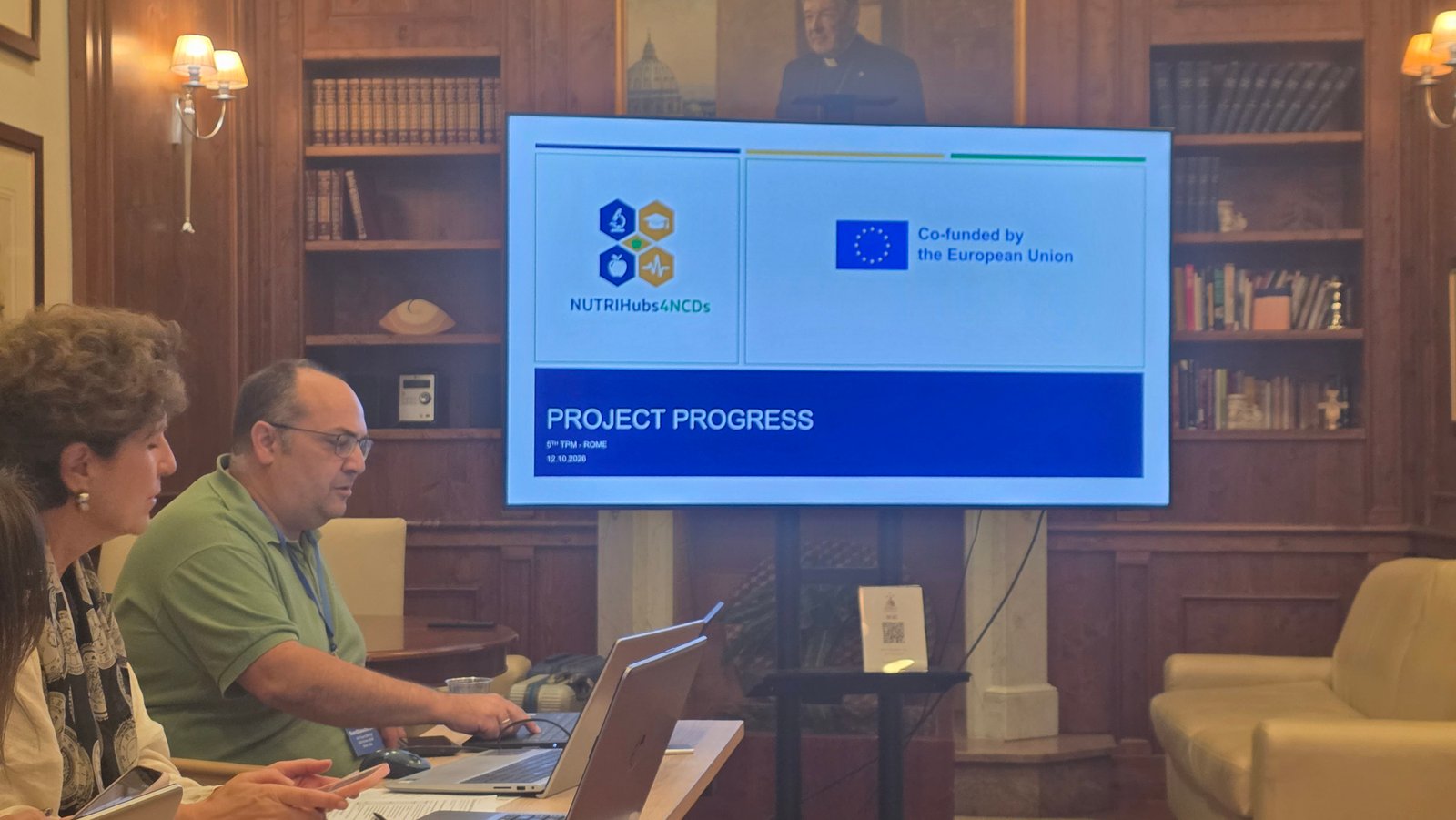
Following opening remarks, representatives from the University of West Attica (UNIWA), alongside partner coordinators, presented a progress overview. The session addressed pending administrative items, operational timelines, and financial coordination across work packages. Partners systematically reviewed completed outputs and established clear strategies for resolving minor operational delays.
Quality Assurance & Monitoring Report
The CRETHIDEV presented a quality assurance update, reviewing progress metrics, internal evaluation surveys, and partner performance indicators.
Key focus areas included:
- Deliverable Compliance: Assessing whether submitted outputs meet European Commission quality standards and project benchmarks.
- Risk Management Protocols: Evaluating proactive mitigation measures implemented by work package leaders to address administrative challenges.
- Internal Feedback Loops: Reviewing evaluation responses collected from consortium members to ensure operational transparency and clear communication.
3. INFRASTRUCTURE & CAPACITY BUILDING STRATEGIES
Equipment Selection & Tender Launching Mechanics
A crucial component of the Rome meeting involved finalizing equipment procurement plans for Asian higher education partners. Technical leads from the Mongolian University of Science and Technology (MUST), the Mongolian National University of Medical Sciences (MNUMS), Khesar Gyalpo University of Medical Sciences of Bhutan (KGUMSB), and the Royal University of Bhutan (RUB) conducted joint consultations to finalize equipment specifications.
The discussion focused on:
- Tender Specifications: Aligning equipment choices with local laboratory infrastructure, ensuring that high-performance testing instruments, dietary analytics software, and digital hub hardware meet grant eligibility guidelines.
- Competitive Procurement Procedures: Reviewing national and institutional procurement laws in Mongolia and Bhutan to guarantee transparent, competitive, and timely tender launches.
- Installation & Maintenance Plans: Establishing vendor support agreements, calibration schedules, and long-term maintenance protocols to guarantee operational readiness.
European Capacity Building & Staff Training
To maximize the impact of newly acquired laboratory equipment, project leads established the structural framework for upcoming capacity-building activities in Europe. Coordinators from UNITE, Ege University (EGE), and partner institutions outlined training modules designed to upskill academic, research, and technical staff from Asian universities.
Key elements finalized during the session included:
- Participant Selection Criteria: Defining transparent merit-based selection guidelines to ensure that faculty members, laboratory technicians, and early-career researchers benefit directly from European mobility.
- Training Schedules & Topics: Establishing intensive training schedules covering advanced nutritional epidemiology, food analysis techniques, digital health tracking, and modern pedagogical methodologies.
- Host Institutions: Coordinating training placements across European partner facilities to provide hands-on experience in modern laboratory environments.
4. DIGITAL PLATFORMS & DISSEMINATION STRATEGIES
Technical Architecture of the Project e-Platform
CRETHIDEV presented technical design specifications for the official NutriHubs4NCDs e-platform. Built to serve as a central digital repository and learning management system, the platform will host digital learning modules, open-access research publications, and interactive training materials.
Key digital features include:
- User-Centric Architecture: Ensuring an intuitive interface for students, researchers, faculty members, and external health professionals.
- Interactive Course Modules: Integrating multimedia content, virtual laboratory simulations, and assessment tools for accredited courses.
- Resource Repository: Providing open-access entry to research papers, policy briefs, and community health toolkits developed by the consortium.
Dissemination, Communication & SygMa Reporting
Coordinators from UNIWA, AHU, and CRETHIDEV led a joint session on project dissemination metrics and communication channels. Partners reviewed publicity guidelines, website tracking metrics, and reporting requirements for European Commission management portals, including the SygMa platform.
Dissemination priorities established include:
- Multi-Channel Media Reach: Expanding project visibility across professional networks, social media platforms, institutional news portals, and international academic journals.
- Stakeholder Engagement: Organizing regional workshops, public health seminars, and policy roundtables to connect research outcomes with local healthcare providers and government agencies.
- Metric Tracking: Systematically logging media mentions, publication downloads, and event attendance figures for official European Commission monitoring reports.
5. GREEN IMPLEMENTATION & CURRICULUM MACROSTRUCTURES
Green Deal & Environmental Sustainability Commitments
In line with European Union priorities regarding environmental sustainability and the Green Deal, the consortium held a dedicated session on green implementation practices. Partner institutions committed to embedding eco-friendly practices across all work packages and hub operations.
Actionable green commitments include:
- Sustainable Event Management: Reducing paper consumption through digital documentation, minimizing single-use plastics during project events, and prioritizing eco-certified venues.
- Eco-Friendly Laboratory Operations: Promoting energy-efficient laboratory practices, green chemistry principles, and responsible waste management protocols within newly established Nutrition Hubs.
- Green Curriculum Integration: Incorporating sustainable food production, environmental health factors, and sustainable dietary patterns into academic course content.
Academic & Professional Course Macrostructures
Academic leads from MUST, UNITE, the Center for Research and Innovation (CFR), and partner universities presented the macrostructures for newly developed academic degree programs and professional training modules.
The unified curriculum framework includes:
- Multidisciplinary Course Design: Aligning course structures with European Credit Transfer and Accumulation System (ECTS) standards while ensuring adaptability to national accreditation frameworks in Mongolia and Bhutan.
- Target Audience Stratification: Designing specialized learning tracks tailored for undergraduate students, postgraduate researchers, and practicing healthcare professionals seeking continuing education.
- Practical Training Integration: Embedding mandatory laboratory practicals, field studies, and community health assessment projects into core module requirements.
6. SUSTAINABILITY PLANNING & STEERING COMMITTEE DECISIONS
Long-Term Nutrition Hub Sustainability Plan
The Royal University of Bhutan (RUB), together with consortium partners, led a working session dedicated to the long-term sustainability of physical and digital Nutrition Hubs. To ensure that project facilities remain vibrant centers of research and community engagement after grant closure, partners established institutional roadmap strategies.
Core sustainability pillars include:
- Institutional Governance: Embedding Nutrition Hubs directly into university administrative and operational budgets.
- Commercial & Research Services: Offering specialized nutritional analysis, food testing, and health consulting services to local food industries, agricultural cooperatives, and public health agencies.
- Grant & Research Synergies: Utilizing established hub infrastructure to apply for national and international research grants, expanding ongoing scientific output.
Any Other Business (AOB) & Administrative Alignment
During the open administrative floor, partners discussed operational logistics, upcoming progress reporting deadlines, inter-institutional financial transfers, and risk management documentation. Any minor discrepancies in work package timelines were resolved through collaborative agreement among work package leaders.
Steering Committee Meeting & Formal Resolutions
The Transnational Project Meeting concluded with an executive Steering Committee session comprising institutional representatives from each partner organization. The committee formally ratified all technical, financial, and academic decisions reached throughout the day.
Key Steering Committee resolutions included:
- Approval of Procurement Schedules: Unanimous ratification of equipment selection lists and competitive tender procedures for MUST, MNUMS, KGUMSB, and RUB.
- Endorsement of Capacity Building Trajectories: Formal approval of candidate selection criteria and host allocations for European training programs.
- Adoption of Quality & Sustainability Frameworks: Official adoption of the updated Quality Assurance Report, Green Implementation Guidelines, and Hub Sustainability Framework.
- Confirmation of Next Meeting Locations: Setting provisional schedules and organizational responsibilities for upcoming transnational meetings and virtual workshops.